Series 5: Trucking and Home Life: Balancing the Road and Relationships

Behind every mile a trucker drives, there’s a family waiting at home. Trucking doesn’t just test your stamina, it tests your relationships — marriages, kids, and even your sense of belonging at home. Balancing the long hours on the road with the love and stability of family isn’t easy. This isn’t the part of trucking that gets talked about in recruiting brochures or magazines — but it’s the reality every driver faces.

5.1 Is this life stressful on a marriage?

Yes — very stressful if it isn’t handled with honesty and communication. The distance, the long hours, and the constant separation put pressure on everyone.

A spouse shoulders all the responsibility at home. Children grow up missing one parent at games, birthdays, and milestones. Friendships can fade when you’re never around to keep them alive.

Loneliness sets in on both ends, and resentment can grow if there isn’t mutual understanding. Trust becomes the foundation — without it, trucking life can pull relationships apart faster than most people realize.

5.2 What can one do to make the best of his time at home?

When you’re home, be present. That means the phone goes down, the TV gets turned off, and your attention is on your spouse, kids, or whoever you’ve been away from. Don’t waste those precious days at home complaining about dispatchers, traffic, or the miles you didn’t get — leave that on the road.

Instead, make memories: cook together, attend your kid’s game, take your spouse out, call up a friend, or just sit on the porch and talk. Show appreciation for the load your partner carried while you were away. Even small gestures of gratitude go a long way toward keeping relationships strong.

5.3 What is the best mindset to be in when one has to leave home to get back on the road?

Leaving home on a Monday morning is never easy. The best thing you can do for your mindset — and for your family — is to make sure everything is taken care of before you leave. That means chores, upkeep, bills, or small projects around the house. If your spouse or kids are already carrying the emotional load of you being gone, they shouldn’t have to shoulder extra stress on top of it.

Once you’re on the road, your focus has to shift. My personal mindset was simple: get the week over with and get back home where I am loved and needed. Every mile I drove wasn’t just for a paycheck — it was part of a bigger purpose.

> “Trucking doesn’t just test the driver — it tests the entire household.”

But here’s the hard truth: trucking is more than just a job, it’s a competitive lifestyle. It competes directly with home life. And if you don’t have the right support system — whether that’s a spouse, kids, or close family — then it’s going to be a losing situation all the way around.

Closing Thoughts

Trucking will always compete with home life — that’s the nature of the job. But with the right mindset, preparation, and most importantly, the right support from family, it doesn’t have to be a losing situation.

Whether it’s a spouse, children, or even close friendships, relationships can survive the miles if both sides commit to honesty, communication, and making the most of their time together.

 Hashtags

#TruckingLife #FamilyAndTrucking #TruckersRelationships #LifeOnTheRoad #TruckingAdvice #OvercomingTheMiles #MyTruckersLifeBookOne #MyTruckersLifeBookTwo

 Support the Author

Support the Author: paypal.me/jonesg6257 | Cash App: $GeraldJones6257 | Venmo: @Gerald-Jones-194 | Zelle: teddybear_46158@yahoo.com
Series 4: Life on the Road: Challenges Every Trucker Faces

The road doesn’t just test your driving skills — it tests your patience, your health, and your relationships. Every trucker who’s spent real time out here knows it’s not just about making deliveries; it’s about surviving the unexpected, handling the loneliness, and finding ways to keep going. Here’s how I’ve faced the toughest parts of life on the road.

4.1 How do you handle breakdowns and repairs?

Every driver faces breakdowns. It’s not a matter of if — it’s when. The key isn’t just fixing the truck, it’s being prepared ahead of time.

Always carry a basic toolkit and spare parts like fuses, belts, and bulbs.

Have roadside assistance or a service network you can rely on.

Keep a cash reserve or credit line for emergency repairs — breakdowns don’t care about payday.

What matters most is mindset: don’t panic. Breakdowns are part of trucking. Prepare for them, and when they happen, handle them step by step until you’re rolling again.

4.2 What’s the hardest part of being away from home?

It’s not just the distance — it’s the moments you miss. Birthdays, anniversaries, holidays, school events — those are the memories you can’t get back.

For me, the hardest part wasn’t the miles, it was knowing that life kept moving without me. I learned to cope by staying connected through calls, letters back in the day, and later, texts and video chats. But I’ll be honest: some moments still weigh heavy on me.

The best thing you can do is make the time you do have at home count. Be present, make memories, and let your family know that even if you’re not there physically, you’re still with them in spirit.

4.3 How do you stay healthy on the road?

Truck stops and long hours aren’t exactly health-friendly, but your health is your career. After 47 years on the road, here’s what kept me going:

Food Choices: Skip the junk food when you can. Pack healthier snacks, or find a grocery store instead of a fast-food counter.

Movement: Even 15 minutes of walking, stretching, or light exercise at a rest stop makes a difference.

Sleep: Guard your rest. A tired driver is a dangerous driver.

Routine: Build habits — once they stick, they’ll carry you through the long haul.

Trucking beats up your body if you let it. You can’t control everything, but you can choose how you take care of yourself.

> “The hardest part of trucking isn’t the miles — it’s the moments you miss.”

Closing Thoughts

Life on the road is tough. Breakdowns, loneliness, and health challenges will test you more than the miles themselves. But with preparation, discipline, and the right mindset, you can not only survive but build a career that lasts decades.

 Hashtags

#LifeOnTheRoad #TruckersChallenges #HealthOnTheRoad #TruckersAdvice #BreakdownsAndRepairs #TruckersFamily #MyTruckersLifeBookOne #MyTruckersLifeBookTwo

 Support the Author

Support the Author: paypal.me/jonesg6257 | Cash App: $GeraldJones6257 | Venmo: @Gerald-Jones-194 | Zelle: teddybear_46158@yahoo.com

Series 3: Vehicle Maintenance: Keeping Your Truck (and Career) Rolling

If there’s one thing I’ve learned in 47 years, it’s this: trucking isn’t just about driving — it’s about keeping your truck alive. Breakdowns cost money, lost time, and sometimes even your job. The best drivers don’t just drive; they know their equipment, spot problems early, and keep ahead of trouble. It all starts with proper pre-trip and post-trip inspections.

3.1 What’s the most important part of preventative maintenance?

The most important part of preventative maintenance is consistency. Oil changes, tires, brakes, and fluid checks are the backbone of keeping your truck safe and reliable. Skip one, and you’ll pay for it later — often in the middle of nowhere.

But here’s the real secret: your pre-trip and post-trip inspections are your first line of defense, especially if your equipment has some years or pretty high miles on it. They’re not just DOT requirements; they’re your daily opportunity to catch problems before they become disasters. Check your tires, look for leaks, test your lights, listen for odd sounds. Ten minutes in the yard can save you ten hours waiting on a wrecker.

3.2 How do you handle roadside breakdowns vs. shop repairs?

Some repairs you can handle yourself; others require a shop. Knowing the difference comes with experience. For small fixes — blown fuses, light replacements, hose clamps — I always carried basic tools and spare parts. For major issues like transmission or engine problems, you’ve got no choice but to get towed or limped into a shop.

The key is preparation. A thorough pre-trip often prevents many roadside headaches, but when they do happen, stay calm and work the problem. I learned to build relationships with shops along my routes — that way, I wasn’t just another truck in line when I needed help.

3.3 How can you save money on truck maintenance without cutting corners?

The trick is to be smart, not cheap. Buying quality parts may cost more up front, but they last longer and save money over time. Doing small jobs yourself — changing lights, belts, wipers, or even grease jobs — adds up to big savings.

But again, the cheapest repair is the one you prevent. A solid pre-trip and post-trip inspection will catch 80% of problems before they become expensive breakdowns. I can’t stress this enough: inspections are the foundation of saving money in trucking.

4.4 What’s the hardest repair lesson you learned on the road?

For me, the toughest lesson was that ignoring “small” problems leads to big disasters. Once, I skipped over a vibration I noticed during a pre-trip because I was in a hurry. By the time I addressed it, I was sitting on the side of the road with a blown tire and a damaged rim — all because I didn’t want to lose 15 minutes in the yard. That one mistake cost me hours of downtime and a big repair bill.

The lesson? Never ignore your gut, your eyes, or your pre-trip. If something feels off, it probably is. Address it now or pay for it later.

> “The cheapest repair is the one you prevent — and it starts with a good pre-trip and post-trip.”

Closing Thoughts

Maintenance is the difference between a profitable career and a stressful one. Pre-trip and post-trip inspections aren’t just paperwork for DOT — they’re your most powerful tools for keeping your truck safe, your loads moving, and your money in your pocket.

Every breakdown teaches a lesson, but the smartest drivers learn to prevent most of them. Treat your truck right, and it will treat you right.

 Hashtags

#TruckMaintenance #TruckingLife #PreventativeMaintenance #TruckersAdvice #PreTripInspection #PostTripInspection #MyTruckersLifeBookOne #MyTruckersLifeBookTwo

Support the Author:

paypal.me/jonesg6257 |

Cash App: $GeraldJones6257 |

Venmo: @Gerald-Jones-194 |

Zelle: teddybear_46158@yahoo.com

Series 15: Time Management & Trip Planning

15.1 How do you plan trips to maximize your time?

Time is money in trucking, and poor planning will cost you both. I always started with the basics: route, fuel stops, rest areas, and delivery appointments. A good GPS helps, but nothing replaces reviewing the route on a map and planning around traffic patterns, construction zones, and weigh stations. The key is to plan for efficiency but expect the unexpected. Build in buffer time because delays will happen — and being early is always better than being late.

15.2 How do you balance hours-of-service with customer demands?

This is where smart time management separates a professional driver from an average one. You can’t bend the clock, but you can manage it. I learned to “run legal” while still keeping my customers happy by planning ahead. Use your driving hours when you’re the most alert, take breaks before you’re exhausted, and never let a shipper or receiver pressure you into breaking the law. At the end of the day, you’re the one responsible if something goes wrong, not them.

15.3 What are some strategies for reducing stress on the road?

Stress comes when you feel like the road is controlling you instead of you controlling the road. My approach was simple: stay ahead of the clock. Plan your day the night before, know where you’re going to stop, and don’t push yourself into situations where you’re racing against your logbook. I also used small tricks like keeping healthy snacks within reach, listening to audiobooks, and using rest breaks to stretch. If you’re calm and in control, every mile feels easier.

Hashtags

#Series14 #TruckingAdvisory #TimeManagement #TripPlanning #TruckersLifeTips #ATruckersLifeBookOne #ATruckersLifeBookTwo

 Support the Author

If you’ve found value in my experience and insights, consider supporting my work. Donations help keep this project alive and allow me to keep sharing real, no-nonsense advice from 47 years behind the wheel.

 Support the Author here:

PayPal: paypal.me/jonesg6257

Cash App: $GeraldJones6257

Venmo: @Gerald-Jones-194

Zelle: teddybear_46158@yahoo.com

Series 2: The Business Side of Trucking: Money, Expenses, and Big Decisions

Being an owner-operator isn’t just about driving — it’s about running a business. The difference between success and failure often comes down to how well you understand the financial side of trucking. If you’re thinking about buying or leasing a truck, these are the questions you need to ask before taking the leap.

2.1 How do owner-operators actually make money?

It’s not just about miles — it’s about business management. Owner-operators make money by planning routes efficiently, negotiating good rates, and keeping expenses under control.

Here’s the reality: your gross pay may look impressive, but what matters is what’s left after fuel, insurance, truck payments, and maintenance. The most successful owner-operators treat their truck like a business asset. That means keeping accurate records, knowing their cost-per-mile, and saying “no” to loads that don’t pay enough.

The key isn’t driving more miles — it’s driving the right miles.

2.2 What are the biggest expenses of running your own truck?

Running your own truck comes with major costs, and they add up quickly:

Fuel: Often your single largest expense. Prices can make or break a week’s profit.

Maintenance and Repairs: Tires, brakes, oil changes, and unexpected breakdowns. These aren’t optional, and they’re never cheap.

Insurance: Liability, cargo, and physical damage coverage are required, and rates aren’t small.

Truck Payments (if financed or leased): This monthly obligation can feel like a second mortgage.

Permits, Taxes, and Fees: Things like IRP, IFTA, and heavy-use taxes come due whether you’re ready or not.

I learned the hard way that ignoring one of these areas — like skipping preventative maintenance — will cost you double later.

2.3 Is leasing worth it, or should I buy my own truck outright?

This is one of the biggest decisions a trucker will ever make.

Leasing:

Pros: Lower upfront costs, sometimes no credit check, newer equipment with fewer breakdowns, and a path for drivers who can’t afford to buy right away.

Cons: High weekly payments, limited freedom, and the truck often isn’t yours at the end. Many lease programs are designed to benefit the company, not the driver.

Buying Outright:

Pros: True ownership, equity in your equipment, freedom to run your business your way, and potentially higher long-term profits.

Cons: High upfront costs, risk of costly repairs, and full responsibility for every breakdown and bill.

I’ve done both. Leasing helped me get started, but true freedom came when I owned my truck. The responsibility was heavier — but so was the reward.

> “The key isn’t driving more miles — it’s driving the right miles.”

Closing Thoughts

Being an owner-operator can be one of the most rewarding paths in trucking, but it’s also one of the riskiest. If you treat it like just another driving job, you’ll fail. If you treat it like a business — tracking costs, planning wisely, and making smart decisions — you can succeed.

Before you lease or buy, be honest with yourself: are you ready to handle the financial pressure as well as the driving? That answer will determine your success more than the truck itself.

 Hashtags

#OwnerOperator #TruckingBusiness #LifeOnTheRoad #TruckingAdvice #TruckersExpenses #LeaseVsBuy #MyTruckersLifeBookOne #MyTruckersLifeBookTwo

 Support the Author

Support the Author: paypal.me/jonesg6257 | Cash App: $GeraldJones6257 | Venmo: @Gerald-Jones-194 | Zelle: teddybear_46158@yahoo.com
Series 1: Getting Started in Trucking: What You Need to Know

A lot of people look at trucking as a quick way to make good money or as a backup plan when other careers don’t work out. But the truth is, trucking isn’t for everyone. It’s demanding, it’s competitive, and it will test you in ways most jobs never will. If you’re considering trucking, these are the questions I hear the most — and here’s the straight talk you need before you get behind the wheel.

1.1 Is truck driving a good career choice today?

The answer isn’t as simple as yes or no. Trucking can be a great career, but only if you’re ready for the lifestyle that comes with it. The money can be good, especially with certain companies or if you move into specialized hauling. But there’s a price — long hours, nights away from home, stress, and constant pressure to deliver.

The industry has also changed. When I started, there was more freedom and fewer regulations. Today, electronic logs, stricter safety standards, and tighter schedules control much of a driver’s day. That doesn’t make it bad — but it does make it different.

Bottom line: If you’re prepared to sacrifice time at home, stay disciplined, and keep your focus, trucking can still provide a solid career. But if you’re looking for an “easy money” job, trucking isn’t it.

1.2 What licenses do I need to get started?

To legally drive a commercial truck, you’ll need a Commercial Driver’s License (CDL). Here’s the breakdown:

CDL Permit: Start with a learner’s permit so you can practice with a trainer.

Full CDL: Once you pass your written tests and driving exam, you’ll receive your license.

Endorsements: Depending on what you want to haul, you may need endorsements like:

HazMat (H) for hazardous materials

Tanker (N) for liquids

Doubles/Triples (T) for pulling more than one trailer

Combination HazMat/Tanker (X) for fuel and similar loads

Each endorsement means extra training and testing, but it can also mean more opportunities and better pay.

1.3 How do company drivers differ from independent contractors?

I’ve been both, and there’s a world of difference.

Company Driver: You’re on the payroll. The company provides the truck, covers maintenance, and handles insurance. You get a steady paycheck, benefits (in most cases), and less financial risk. The downside? You have less freedom — your schedule, loads, and sometimes even routes are chosen for you.

Independent Contractor (Owner-Operator): You own or lease your truck. That means higher earning potential, more freedom to choose loads, and the chance to build your own business. But it also means bigger risks. Fuel, insurance, maintenance, breakdowns — all those costs fall on you. Some weeks you’ll make more than a company driver, and some weeks you’ll make less after expenses.

The biggest difference comes down to this: company drivers drive trucks, independent contractors run businesses.

Chapter 7: The End of My Time at BESL Transfer

My 5½ years at BESL Transfer brought good friends, steady work, and some of the best-paying loads of my career. But one betrayal — and one accident — brought it all to a sudden end.

I spent a total of five and a half years at BESL Transfer, and quite a bit happened during that time. Some of it was steady, some of it was profitable, and one part ended in a way I’ll never forget.

Steady Hauls and Family Moments

After the York, Pennsylvania snowstorm adventure, I went back to hauling the usual loads for a while. One stretch had me running regularly from Middletown, Ohio, down to Hendersonville, Kentucky.

Those trips were special because my daughter, Michelle, was a freshman at the University of Southern Indiana in Evansville at the time. Whenever I was nearby, I made sure to meet her for a meal. Trucking can pull you away from family, so those visits meant the world to me.

On the way back, I often loaded out of AK Steel in Rockport, Indiana, delivering wherever they needed the freight to go. It kept me moving and gave me precious family time in the process.

A Lucky Break: The Jeffersonville Bar Loads

Out of the blue, I was offered a load of tempered bars from the Port of Jeffersonville to NTN Bearing Manufacturing in Columbus, Indiana. It was a short run — just 67 miles one way — and it paid extremely well.

That load didn’t come through my regular dispatcher Chris Marlette in Campbellsburg, Kentucky, but from another broker, Bush Trucking in Corydon, Indiana. Apparently, they were impressed with how I handled the first run, because they offered me the chance to cover it every day, twice a day.

Of course, I jumped on it. The routine was smooth, the pay was solid, and I was home every night. For a trucker, that’s about as good as it gets.

Adding a Third Axle

After about six months of running the bar loads, another contractor suggested I consider adding a third axle to my Reitnouer trailer. With the modification, I could legally haul double the weight under permit — which meant double the revenue.

I researched it thoroughly, and everything checked out. By October 2014, I had the third axle installed and was hauling two bar loads per day.

It was a golden stretch. But like all good things in trucking, it didn’t last.

Losing the Run

By the spring of 2015, the bar loads stopped coming. I later learned why. The same contractor who had encouraged me to spend the money on the tri-axle had purchased another truck and trailer himself. Because he was signed on with Bush Trucking, they gave him the Jeffersonville runs instead.

My revenue dropped by half almost overnight.

The Final Straw

On August 11, 2015, I was dispatched to Nucor Steel in Crawfordsville to pick up coil rollers and other parts headed for Cincinnati. I secured the load and headed home, since delivery wasn’t scheduled until the next day.

Traffic on I-65 was nearly at a standstill due to construction, so I detoured onto I-74 and came down State Road 9. By then, my mind was consumed with frustration — I couldn’t stop thinking about losing the bar loads and my revenue being cut in half.

As I entered Hope, Indiana, the dump truck in front of me made a sudden stop. With nowhere to go, I hit it.

The accident was bad enough for BESL to consider terminating my contract. My tractor was declared a total loss according to book value. Thankfully, the load was safe and undamaged.

The truck and trailer were towed to my regular parking spot — ironically, only ten miles from where the wreck happened.

The Aftermath

I went through all the post-accident steps: accident report, drug testing, and an interview with BESL’s Safety Department head, Brian Dehan. I passed all requirements, but the accident had cost the company money. That was enough for them to end my lease.

And just like that, my time at BESL Transfer was over.

Looking Ahead

Every trucking job teaches you something, whether you realize it in the moment or not. BESL gave me valuable flatbed experience, steady work, and hard lessons in business and trust.

But it also ended abruptly, pushing me to once again rethink the direction of my career.

Hashtags
#TruckingLife #BESLTransfer #FlatbedTrucking #SteelHauling #LifeOnTheRoad #IndependentContractor #TruckersJourney #TruckingAccident #ATruckersLifeBookTwo

My Situation – Please Read

If you’ve enjoyed my story and would like to support me, I’ve made it simple:

PayPal: paypal.me/jonesg6257

Cash App: $GeraldJones6257

Venmo: @Gerald-Jones-194

Zelle: teddybear_46158@yahoo.com

Your kindness helps me continue sharing my journey. Thank you!

Chapter 6: The First 3 Weeks at BESL Transfer

My first weeks at BESL Transfer were a crash course in flatbed trucking. With Ernie guiding me, I learned fast — but nothing could have prepared us for a snowstorm that nearly buried us alive in Pennsylvania.

As I mentioned in the last chapter, I had the benefit of learning flatbed work under the guidance of my best friend, Ernie Lipperd. Ernie was more than a mentor — he was a common-sense master who taught me the right way to do things.

He wasn’t my only friend at BESL, and I’ll introduce others later in the book. But in those early weeks, Ernie was my lifeline.

First Loads Together

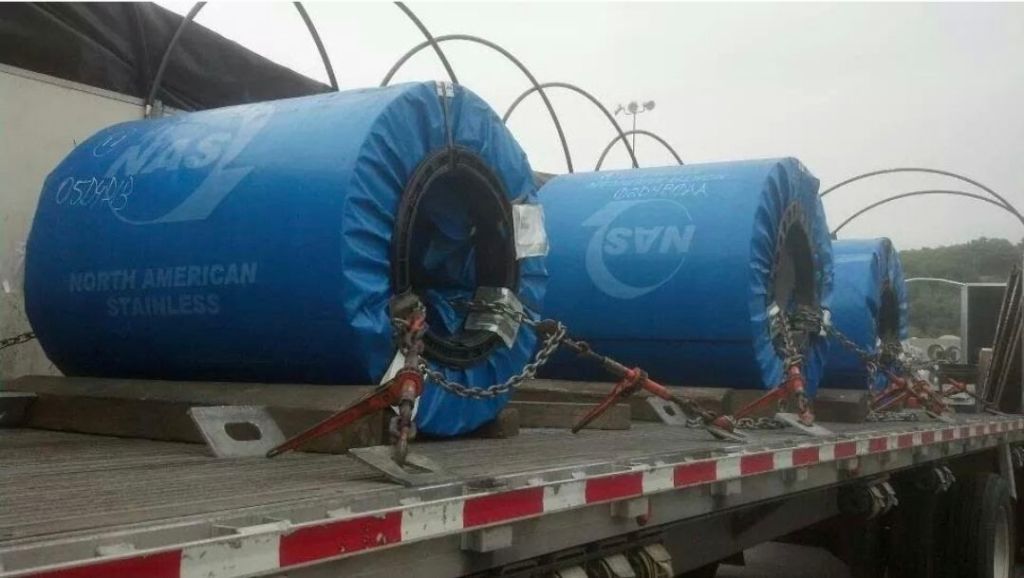
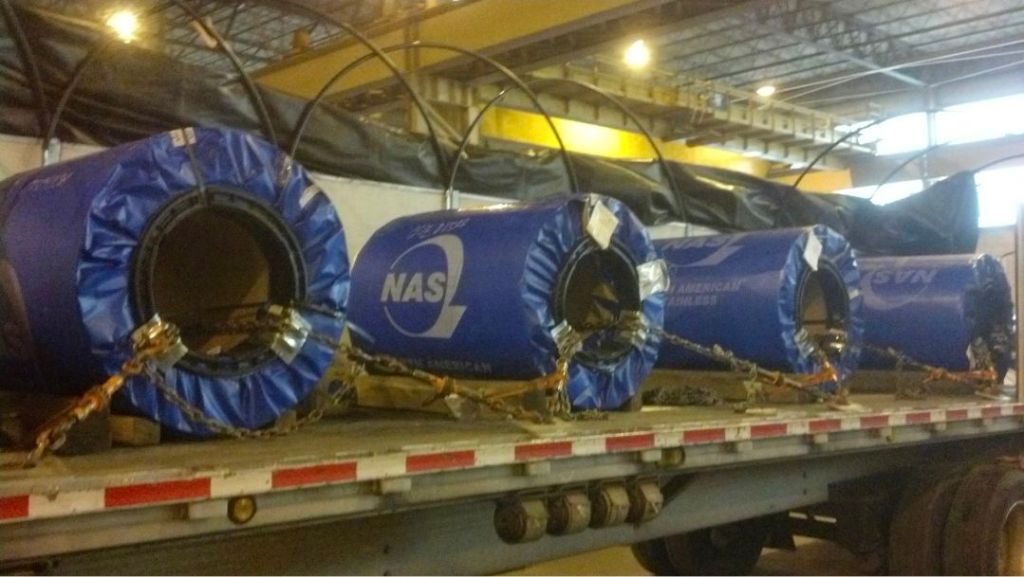
Our first load came out of North American Stainless (NAS) in Ghent, Kentucky. We had identical loading appointments so Ernie could walk me through the process. We both loaded three stainless steel coils, and he taught me the proper way to secure them.

After finishing inside, we scaled out to make sure the total weight matched the billing weight. Then we hit the road.

Delivery: Ryerson Steel in Indianapolis.

Next load: Nucor Steel → back to Cincinnati.

Then another trip: NAS → Ryerson Steel again.

Then: Nucor (Crawfordsville) → Steel Tech in Ghent, Kentucky.

It was a steady rhythm of steel coils moving back and forth.

The Machinery Load

Things took a turn when we accepted a load in Louisville. Instead of coils, it was machinery.

Machinery meant a whole new learning curve, and I’ll admit I was nervous. I had no idea how to secure it properly. Thankfully, Ernie stepped in again and guided me through it.

But what neither of us could prepare for was what happened next.

A Snowstorm to Remember

That machinery load was headed to York, Pennsylvania. It had been years since I’d run that far for a delivery. We had about 10 hours to make the drive legally.

We left Louisville, ran I-71 up to Columbus, and then took I-70 east. By the time we reached the stretch between Pittsburgh and Breezewood, Pennsylvania, the snow started — and it didn’t stop.

It snowed so heavily that we could barely see the truck in front of us. I wanted to stop, but Ernie was determined to push through.

By the time we reached the receiver, over two feet of snow had fallen. The guard at the gate told us to leave and come back in the morning. The problem? Pennsylvania had issued a critical snow emergency — all roads were closed, and traffic was ordered off the highways.

When the guard threatened to call the law, Ernie stood his ground: “Do what you need to do, but we’re not moving.” Eventually, the night manager stepped in and allowed us to park until morning.

By the time we woke up, there were more than four feet of snow. It took two hours to dig out our trucks, plus the same amount of time for the facility to plow us into a dock.

After unloading, we were stranded. The state forced all trucks off the road, and the plant manager had to drive us to a hotel, where we were stuck for two full days. No revenue. Just waiting.

Back to Work

When the roads reopened, we were dispatched to Beech Bottom, West Virginia, where we loaded eight mini coils each and ran them back to Louisville, Kentucky.

That marked the end of my first three weeks at BESL Transfer. It was a crash course — from routine coil hauling, to machinery, to the worst snowstorm I’d ever seen on the road.

As you’ll read in the next chapter, not all of my time at BESL was smooth sailing. Some loads were excellent, but one turned into the worst experience of my time there.

Hashtags
#TruckingLife #BESLTransfer #FlatbedTrucking #SteelHauling #LifeOnTheRoad #SnowstormSurvival #IndependentContractor #TruckersJourney #ATruckersLifeBookTwo

Chapter 8: Life Goes On After BESL

The accident at BESL shook me to my core and left me questioning everything — even whether I should stay in trucking at all. But with Ernie’s support and a new truck, I found a way forward at Precision Strip.

After the accident that ended my time with BESL Transfer, I had to take some time to regain my confidence. It was the worst accident I had ever experienced in my professional driving career. To be honest, I was horribly shaken up, and for weeks afterward all I could think about was this: What if there had been a car full of kids between me and that dump truck? I couldn’t have lived with myself if that had been the case. In my heart, I know that God was riding with me that day, because the circumstances could have been far worse.

During this transition period, my business partner (my fiancée) never pressured me to hurry up or make a decision. She understood I was honestly considering quitting the trucking industry altogether and finding a different path. But every time I thought about leaving, it came to a dead end—because trucking was all I knew. I wore out my cell phone during those weeks, leaning on my Uncle Ernie Lipperd for support. Ernie was more than just a best friend—he was family—and he became my main source of mental therapy.

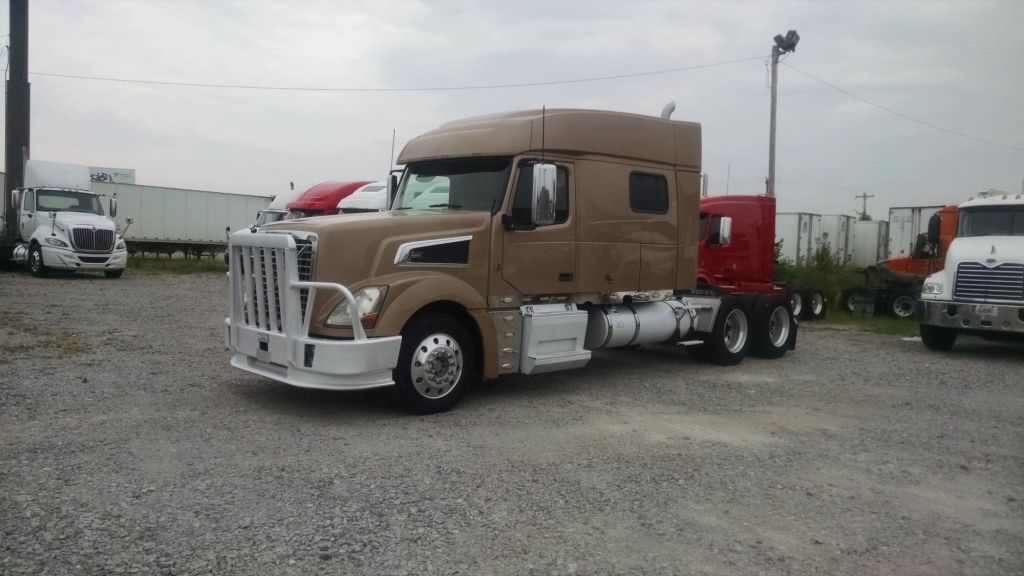
After about three weeks, I realized that I could get back into a truck, and that I had to if I wanted to move forward without letting this accident haunt me. I started looking for a replacement and eventually settled on the truck I kept until retirement: a 2008 Volvo VT830 with a Volvo D16 engine and a 13-speed Eaton/Fuller transmission. My trailer hadn’t been damaged at all, so after test-driving the Volvo and going back with Ernie for a final lookover, I bought it.

The next chore was finding the right broker to lease with. I narrowed it down to three: Ace Doran, Steel Transport, and Precision Strip. Ace Doran was eliminated because they insisted I run under their Indiana plate instead of purchasing my own. That felt too overbearing and controlling. Steel Transport was a good company, but in my gut I just knew I wasn’t ready for that kind of work yet. Sometimes you have to listen to your heart—it told me to save the best for last. I chose Precision Strip, mainly because they had no problem with me getting my own plate. In fact, they even gave me my lease contract so I could go get it.

Precision Strip turned out to be a decent enough company to lease on with. During those six months, any issues I had were more or less brought on by myself. The runs were short, and I was home about 98% of the time. The most common customers I delivered to were Batesville Tool in Batesville, Millennium Steel in Princeton, and the GM plant up in Marion. I usually hauled loads out of Anderson, Indiana, but bringing coils back in was rare for me. When I did, they typically came from AK Steel in Rockport, Voss Clark in Jeffersonville, or AK Steel in Middletown, Ohio.

There were only two of us leased to Precision Strip since they had their own fleet, but overall it was a pretty good arrangement. Around this time, however, I began to experience some back issues. At first they were minor—just inconveniences—but they were a sign of things to come. Still, my early days with Precision Strip went smoothly.

It’s funny how bad luck often comes in threes. Stay with me, because I’m living proof of that old saying. What I didn’t realize then was that my next challenges were already lining up, ready to test me in ways I hadn’t yet imagined.

#TruckingLife #IndependentContractor #TruckersJourney #VolvoTrucks #PrecisionStrip #LifeAfterAccident #FaithAndTrucking #TruckingIndustry #TruckDrivingStories #OvercomingAdversity